 VapeWholesaleHub
Nicotine Shelf Rotation for Multi Site Retailers — EU Markets
If you are comparing nicotine suppliers right now, you are probably looking at three quotes that look identical and cost very different amounts. That gap usually comes down to cell grade, coil consistency and how honest the factory is about tolerances. Let us unpack it.
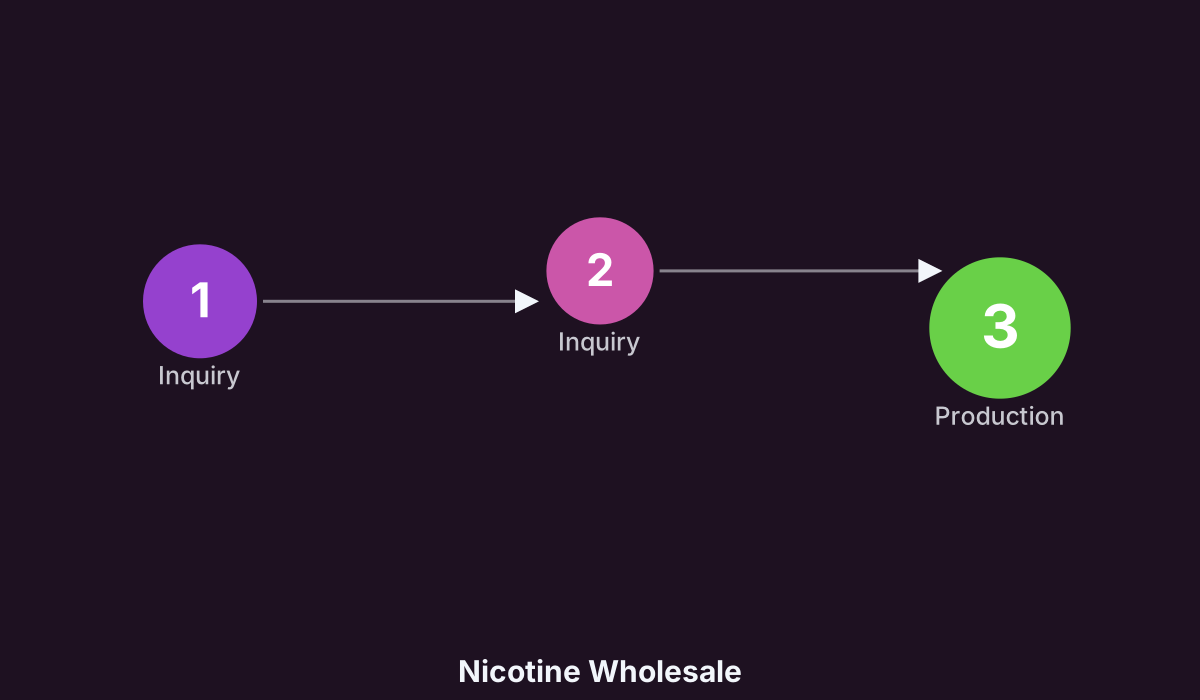
Inspection Before Dispatch
Keep a photo record of every nicotine approval sample. Written descriptions age badly; a dated photograph next to a delivered unit settles most arguments in seconds.
Random checks are fine, but weight the sample towards the start and end of a nicotine production run. Those are where a line is most likely to drift.
- Keep sealed retained samples from every production batch.
- Confirm the current customs classification with your own broker.
- Rotate stock by batch code rather than by delivery date.
- Ask how the factory measures puff count, then compare like with like.
- Model landed cost, not ex-works price, when comparing quotes.
Merchandising and Listing Tips
A nicotine display that answers strength and flavour without staff involvement outsells a prettier one that does not. Most customers will not ask, so the fixture has to do the work.
Keep the nicotine range tidy. A half empty shelf reads as a dying line, and customers interpret it that way faster than any signage can correct.
Freight, Customs and Timing
Track nicotine landed cost per unit as a running number, including duty and local delivery. It is the only figure that tells you whether a supplier change actually improved anything.
Plan the nicotine customs paperwork at the same time as the order, not when the goods are on the water. A missing document costs more in demurrage than the entire freight saving from a cheap forwarder.
Where Nicotine Sits in the Range
One useful exercise: list every nicotine line you stock and mark the last date each one sold at full price. Anything without a recent full price sale is taking space from something that would use it better.
The Specification That Matters
Pay attention to how a nicotine supplier responds when you ask for a tolerance they do not want to commit to. The hesitation is usually more informative than the eventual answer.
Ask for the nicotine specification in the same units you intend to measure in. A metric quoted in a form you cannot verify on arrival is not a specification, it is a claim.
| Product category | Disposable |
|---|---|
| Resistance band | 0.6 - 0.8 ohm |
| Capacity tolerance | +/- 3% |
| Puff count method | Machine cycle 2s on / 18s off |
| Master carton | 400 units |
| Carton weight | 12.5 kg |
| Shelf life | 18 months |
| Storage | 15-25 C, dry, away from direct light |
Pricing and Margin
Build nicotine price tiers around order sizes your customers actually place. Tiers that only make sense on a spreadsheet get ignored, and you end up discounting ad hoc instead.
Indicative reference points for planning purposes: entry tier from USD 1.21 per unit at 1000 units, mid tier at USD 1.40, and volume tier at USD 0.86 for full container quantities. These figures move with specification, packaging and freight, so treat them as a shape rather than a quote.
Practical Checklist
- Model landed cost, not ex-works price, when comparing quotes.
- Check carton dimensions against your freight quote before confirming.
- Confirm the current customs classification with your own broker.
- Rotate stock by batch code rather than by delivery date.
- Ask how the factory measures puff count, then compare like with like.
- Start with a mixed carton and let your own sell-through decide.
Frequently Asked Questions
What does a sample pack usually include?
A typical nicotine sample pack covers the strengths or variants you are most likely to list, packed so you can evaluate them side by side. Tell us which lines you are considering and we will match the pack to that rather than sending a generic selection.
How are price changes handled on repeat orders?
{K} pricing is reviewed against input costs and volume rather than adjusted casually. Any change is confirmed in writing before the next order is scheduled, with the reason stated so you can judge it yourself.
Is there support for in-store material?
Yes. Shelf talkers, counter cards and simple planogram suggestions are available for nicotine ranges that reach a sensible volume. Most retailers find the plain strength and flavour cards do the most work.
Can I visit the production facility?
Yes, and we encourage it for larger programmes. Visits are most useful when you already have a draft specification, because you can then check the specific processes behind the numbers you care about.
Can you match an existing product I already sell?
Often yes, provided we can measure it properly. Send a physical sample and we will report back on what can be matched, what will differ slightly, and why. An honest gap is more useful than a vague promise.
Next Step
Send us your current nicotine specification even if you are not planning to move suppliers. A second read of a document you use every month is usually worth the ten minutes.
Related Reading
- Nicotine Factory Visit Preparation Checklist — Busy Buyers
- Nicotine Retail Price Architecture Across Channels — a Printable Checklist
- How to Store Nicotine Stock Without Losing Freshness — Tight Margin Categories
- Nicotine Quality Control: Tests We Run Before Dispatch — Small Batch Buyers
- Digital Marketing Playbook for Nicotine Sellers — North America
- Nicotine Order Consolidation Across Suppliers — Convenience Retail