 VapeWholesaleHub
Nicotine Market Entry Checklist for New Territories — Cash-and-Carry Formats
Buying nicotine wholesale is a logistics problem disguised as a product problem. The unit is small, the margin depends on freight density, and the failure mode shows up weeks after delivery. The notes below come from real orders we have shipped.
Where Demand Is Heading
The nicotine category is consolidating around suppliers who can document what they ship. Buyers who built that requirement into their process early are now finding it much easier to scale.
Where Nicotine Sits in the Range
One useful exercise: list every nicotine line you stock and mark the last date each one sold at full price. Anything without a recent full price sale is taking space from something that would use it better.
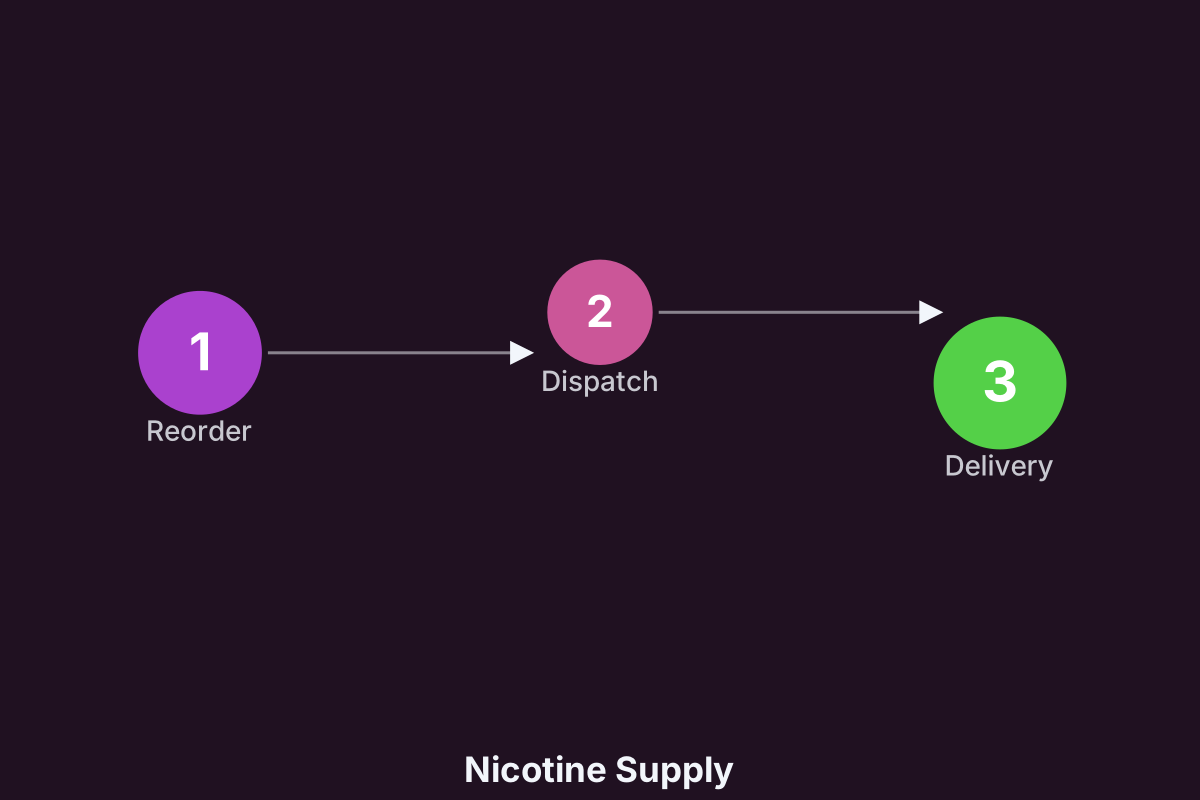
Getting Nicotine to Your Warehouse
Air freight makes sense for a first nicotine order when you need to test demand quickly, but almost every steady programme moves to sea freight once volumes stabilise. Planning that switch early avoids a painful margin squeeze later.
How Nicotine Batches Are Checked
AQL sampling gets a lot of attention, but for nicotine the more useful habit is simply measuring the same three things on every single batch. Trend lines catch problems that pass/fail checks miss.
- Agree the tolerance band in writing before approving artwork.
- Model landed cost, not ex-works price, when comparing quotes.
- Rotate stock by batch code rather than by delivery date.
- Keep sealed retained samples from every production batch.
- Start with a mixed carton and let your own sell-through decide.
What to Fix Before Approving Nicotine
Two specifications that matter more than buyers expect: the seal integrity after a drop test and the consistency of the draw from first use to last. Both are measurable before you commit to volume.
Pay attention to how a nicotine supplier responds when you ask for a tolerance they do not want to commit to. The hesitation is usually more informative than the eventual answer.
| Product category | Closed pod |
|---|---|
| Resistance band | 0.6 - 0.8 ohm |
| Capacity tolerance | +/- 3% |
| Puff count method | Machine cycle 2s on / 18s off |
| Master carton | 120 units |
| Carton weight | 12.5 kg |
| Shelf life | 18 months |
| Storage | 15-25 C, dry, away from direct light |
Practical Checklist
- Agree the tolerance band in writing before approving artwork.
- Ask how the factory measures puff count, then compare like with like.
- Write the complaint threshold into the order terms.
- Keep sealed retained samples from every production batch.
- Start with a mixed carton and let your own sell-through decide.
- Confirm the current customs classification with your own broker.
Frequently Asked Questions
Can you match an existing product I already sell?
Often yes, provided we can measure it properly. Send a physical sample and we will report back on what can be matched, what will differ slightly, and why. An honest gap is more useful than a vague promise.
Can I visit the production facility?
Yes, and we encourage it for larger programmes. Visits are most useful when you already have a draft specification, because you can then check the specific processes behind the numbers you care about.
Do you provide compliance documents?
Every shipment leaves with the documentation set relevant to your market, including batch records and test reports where required. Your local rules still determine what you must file, so confirm those with your broker before import.
How should nicotine be stored?
Cool, dry and out of direct sunlight. Heat and light are the two things that shorten shelf life fastest. Rotate stock by batch code rather than by arrival date, and keep cartons off concrete floors in humid warehouses.
Next Step
The best nicotine programmes we see are run by buyers who write things down. Specifications, batch records, complaint thresholds - the paperwork is the advantage.
Related Reading
- Nicotine Product Listings That Actually Convert — Highly Regulated Markets
- Nicotine Shelf Life, Batch Codes and Traceability — Step by Step
- Nicotine Promotional Mechanics That Do Not Erode Value — Low Minimum Quantities
- Nicotine Quality Drift: Catching It Before Customers Do — Established Chains
- Nicotine Tamper Evidence and Seal Integrity — Three Price Tiers
- Nicotine Reorder Discipline for Busy Distributors — Small Batch Buyers