 VapeWholesaleHub
Nicotine Market Entry Checklist for New Territories — a Printable Checklist
There is no clever trick to buying nicotine well. There is a short list of things worth checking and a long list of things that distract from them. This page is an attempt at the short list.
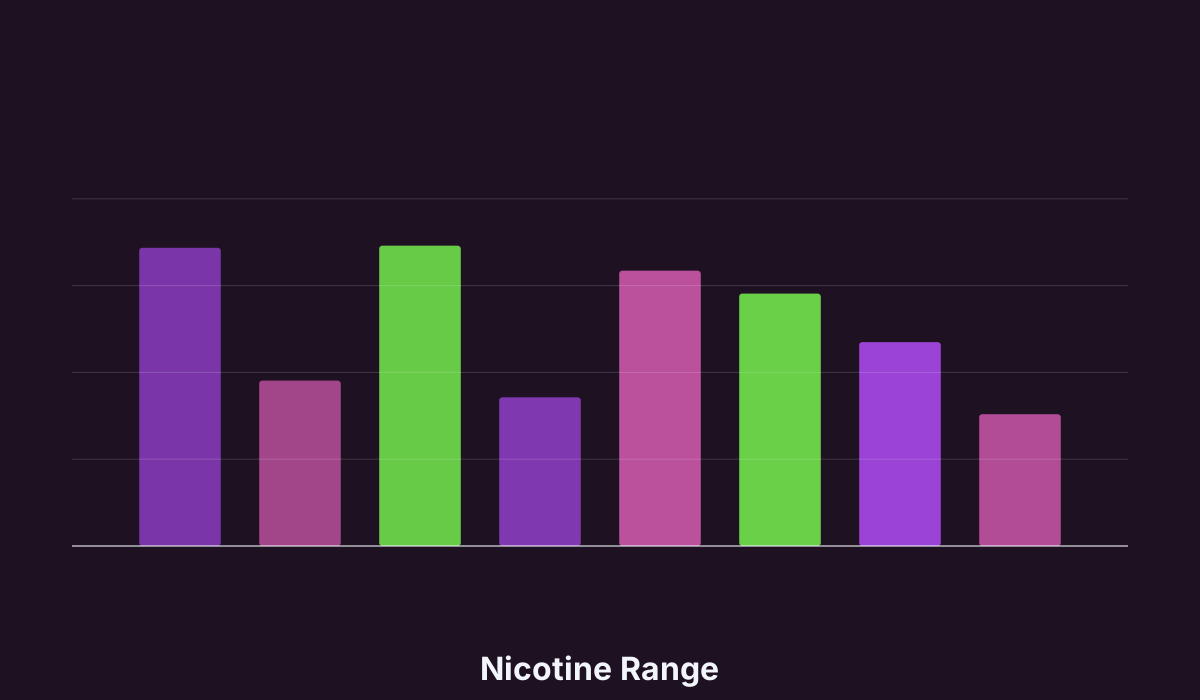
What to Fix Before Approving Nicotine
Two specifications that matter more than buyers expect: the seal integrity after a drop test and the consistency of the draw from first use to last. Both are measurable before you commit to volume.
Specification sheets are where a nicotine deal is won or quietly lost. Two samples can look and taste the same while using different coil wire, different wicking density and different tolerances on the mouthpiece. Those details decide how the unit behaves in week three rather than minute three.
| Product category | Closed pod |
|---|---|
| Resistance band | 0.6 - 0.8 ohm |
| Capacity tolerance | +/- 2% |
| Puff count method | Declared by capacity |
| Master carton | 120 units |
| Carton weight | 5.7 kg |
| Shelf life | 24 months |
| Storage | 15-25 C, dry, away from direct light |
Market Signals
Retailers report that nicotine customers are asking more specific questions than they did two years ago. That favours ranges with clear, simple information over ranges with clever marketing.
The most durable nicotine lines over the last few years have been unglamorous and consistent. Novelty sells once; reliability sells every month.
Pricing and Margin
Tiered pricing works best when the tiers match real customer behaviour. Most nicotine buyers will take the second tier if the step is modest and the third tier only if they can see a genuine reason to hold more stock.
Indicative reference points for planning purposes: entry tier from USD 1.93 per unit at 500 units, mid tier at USD 1.12, and volume tier at USD 0.81 for full container quantities. These figures move with specification, packaging and freight, so treat them as a shape rather than a quote.
Inspection Before Dispatch
Incoming inspection for nicotine is not about opening boxes at random. We weigh a sample of cartons, check batch codes against the production record, run a draw resistance measurement, and log the results so that a complaint three months later can be traced to a specific run.
- Plan the switch from air to sea freight before you need it.
- Ask how the factory measures puff count, then compare like with like.
- Write the complaint threshold into the order terms.
- Agree the tolerance band in writing before approving artwork.
- Check carton dimensions against your freight quote before confirming.
Where Nicotine Sits in the Range
Range decisions for nicotine should start from shelf space, not from a supplier catalogue. Count the facings you actually have, then decide how many of them this line deserves against what it currently earns.
One useful exercise: list every nicotine line you stock and mark the last date each one sold at full price. Anything without a recent full price sale is taking space from something that would use it better.
Practical Checklist
- Start with a mixed carton and let your own sell-through decide.
- Confirm the current customs classification with your own broker.
- Plan the switch from air to sea freight before you need it.
- Rotate stock by batch code rather than by delivery date.
- Check carton dimensions against your freight quote before confirming.
- Write the complaint threshold into the order terms.
Frequently Asked Questions
What information do you need to quote?
Target specification, approximate quantity, destination and any packaging requirement. With those four we can usually come back with a costed option the same working day rather than a request for more information.
Do you hold stock for regular customers?
For established programmes we can reserve production slots and, in some cases, hold finished nicotine stock against a forecast. It removes most of the lead time risk from a reorder and is worth discussing once volumes are stable.
What happens if my market changes its rules?
Regulations move, and packaging or documentation sometimes has to follow. We keep approved artwork files on hand so that a required change is a reprint rather than a redesign, which keeps the cost and delay down.
How long does a nicotine order take to arrive?
Production typically takes ten to eighteen working days after artwork approval, and transit depends on the method you choose. Air express is fastest, sea freight is cheapest at volume. We confirm both at quotation so there is no surprise later.
Next Step
If you are comparing options right now, send us the specification you have been quoted elsewhere. A side by side reading usually shows where the price difference actually comes from, and that is the most useful first conversation to have.
Related Reading
- Nicotine Communication Cadence With Overseas Suppliers — Southeast Asia
- Nicotine Quality Control: Tests We Run Before Dispatch — Updated for 2026
- Nicotine Warranty and After Sales: Setting Expectations — Warehouse Teams
- Sustainability and Take Back Programmes for Nicotine — Southeast Asia
- Wholesale Nicotine: A Practical Buying Guide for Retailers — UK and Ireland
- Nicotine Working With a Local Compliance Partner — Entry-Level Price Points